Pressureless Sintered Silicon Nitride

Pressureless Sintered Silicon Nitride, Pressureless Sintered Si3N4 Ceramics

Pressureless Sintered Silicon Nitride
In 1976, Terwilliger and Lange accidentally discovered at the Westinghouse Laboratory that silicon nitride powder could be sintered without applying mechanical pressure. Therefore, they conducted hot pressing experiments on silicon nitride powder with sintering aids under conditions higher than normal temperatures and found that when no conventional pressure was applied, the silicon nitride powder cylinder still shrank significantly. This is an important step in the development of high-density silicon nitride ceramics, and pressureless sintering of silicon nitride was developed on this basis.
At present, pressureless sintering is the most commonly used sintering method. It is prepared by mixing α-Si3N4 as raw material with a small amount of sintering aid under standard atmospheric pressure, and through forming, sintering, and other processes. It is difficult to prepare high-density pure silicon nitride materials by normal pressure sintering. To obtain high-performance silicon nitride materials, it is necessary to add sintering aids to react with SiO2 on the surface of Si3N4 powder, form a liquid phase at high temperature, activate the sintering process, and make it dense through the dissolution mechanism. During the sintering process, α-Si3N4 is converted into β-Si3N4, the structure of silicon nitride grains is converted from equiaxed crystals to columnar crystals, and the product performance is improved. Therefore, the key to the pressureless sintering of silicon nitride is to select a suitable sintering aid. At present, the commonly used sintering aids are mainly: MgO, Y2O3, rare earth element oxides, composite sintering aids, etc. These sintering aids can control the liquid phase viscosity, improve phase transition, prevent the formation of solid solution, reduce the lattice oxygen content, and control the glass phase composition and content.

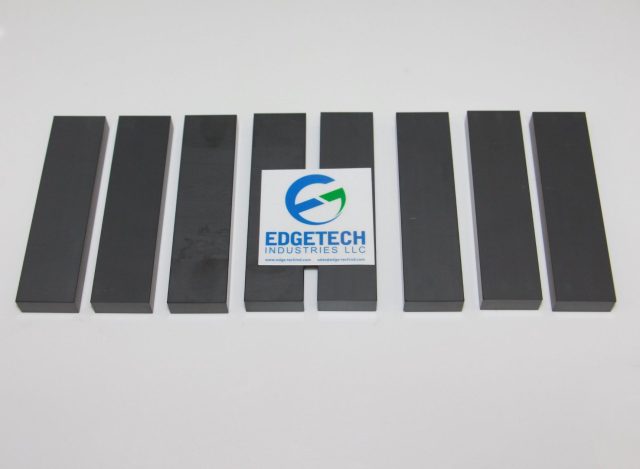
Si3N4 Ceramic Rods
Advantages of Pressureless Sintered Silicon Nitride
The preparation process is relatively simple, and silicon nitride ceramics with high density, high strength, and complex shape can be obtained
Disadvantages
High cost and complex sintering equipment. The sample shrinkage rate after sintering is large, which can reach 20%, which may cause cracking and deformation of the product
Applications
Using the wear resistance, heat resistance, and corrosion resistance of pressureless sintered silicon nitride ceramics, it can be widely used to prepare sealing rings, roller rings in the metallurgical industry, vessels and chutes carrying molten metals, etc.
Related Products